Breathable Mattress Protector 2023
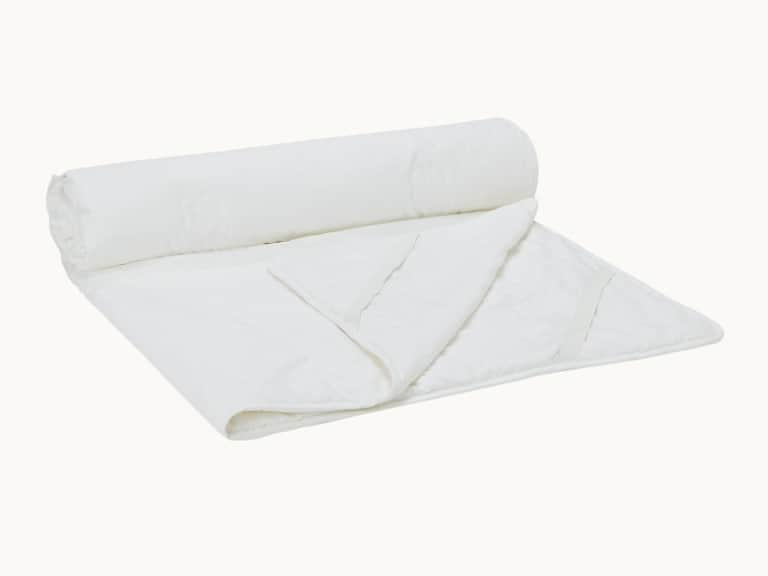
Keep your Casper feeling like new with uninterrupted breathability and practical protection that guards against wear, preserves the mattress’ feel, and lets you sleep cool and comfortable.
A Time magazine–style examination of how bedding materials earn their green badge, what those labels actually mean, and how you can spot greenwashing before it affects your sleep—and the planet.
The bed is a sanctuary, but the labels that promise purity and responsibility can feel like a foggy horizon. In the world of bedding, certifications function as anchors for trust—yet not every label is created equal. From GOTS to OEKO-TEX to CertiPUR and beyond, certifications spell out supply chain expectations, chemical safety, and environmental footprint. This piece unpacks what these marks actually certify, how they translate into your daily choices, and how to read a label with the skepticism of a seasoned consumer.
A label can be a doorway to better sleep or a doorway to confusion. Look for:
Many brands display a constellation of marks. Cross-check the logos with the official certifier website to ensure the certification is current and applicable to the product in question (e.g., sheets vs. a mattress protector).
The bedding market features a spectrum of materials and certifications. Let’s consider representative examples from brands that frequently appear in sustainable bedding conversations—Savvy Rest, Naturepedic, Sleep and Beyond, and Suite Sleep—while tying the discussion to tangible products that illustrate how certification translates into a practical sleep surface.
Organic cotton sheets or protectors carrying GOTS certification provide assurance of fiber content and responsible processing. A product like Naturepedic’s organic waterproof mattress protector, with GOTS-certified cotton layers and a certified waterproof barrier, showcases how certification supports both health and longevity without compromising breathability.
Sample product: Naturepedic Waterproof Organic Cotton Mattress Protector
CertiPUR-US certification applies to foam components, including toppers, to ensure low emissions and the absence of specific hazardous substances. When a topper uses CertiPUR foam, it signals a direction toward safer indoor air quality without necessarily sacrificing comfort or support.
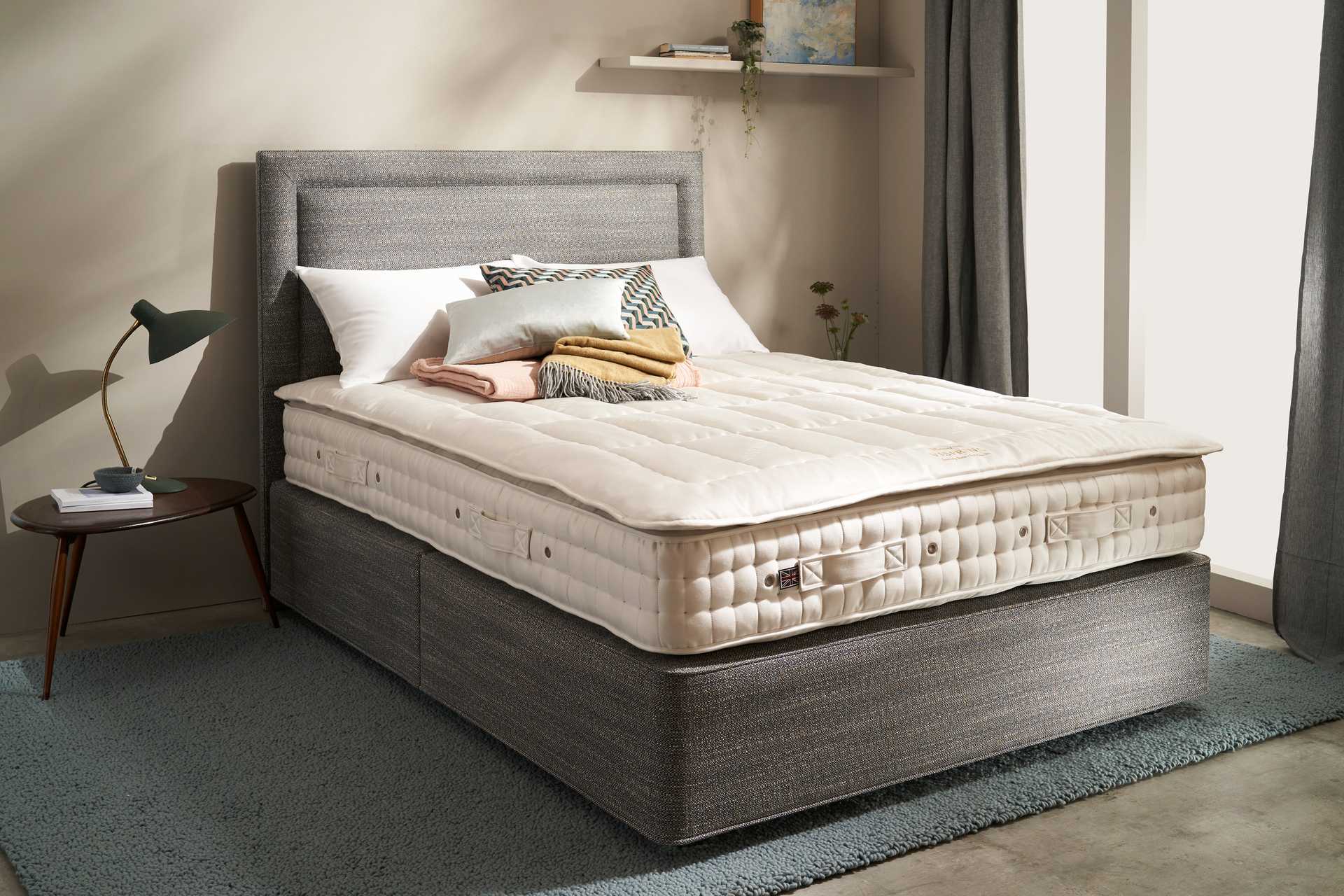
Sample product: Vispring Opulence Mattress Topper (luxury reference, not CertiPUR-specific)
Certifications should work for you, not against you. For eco-conscious shoppers, certifications act as roadmaps, guiding purchases that align with health, environmental stewardship, and social responsibility. The goal is to assemble a sleep environment that respects your body and the world it inhabits.
Look for products that provide lifecycle information: material sourcing, manufacturing processes, and disposal or recyclability. A transparent brand will discuss the cradle-to-grave journey of its textiles and foams.
Certifications that emphasize low chemical emissions and safe materials contribute to healthier indoor air and fewer allergy triggers.
A label is stronger when brands pair it with consumer education—glossaries, FAQs, and practical shopping checklists empower informed decisions.
The discourse around certifications and sustainable living has been shaped by voices across generations. Here are three influential figures who, in different moments, helped society rethink how we approach materials, health, and the environment.
As a litigator of knowledge in the age of catalogs and global trade, Diderot’s era contributed to a culture of cataloging and scrutinizing the materials that populate daily life. While centuries before modern textiles, the spirit of evidence-based inquiry—questioning what is claimed versus what is proven—set a precedent for later certifiers to demand transparency around materials and processes.
Curie’s relentless pursuit of safety and empirical evidence in chemistry and physics echoes in modern bedding safety standards. Her insistence on verifying phenomena through careful measurement mirrors how standards bodies verify claims about emissions, toxins, and environmental impact in textiles.
Goodall’s work on ecology and habitat stewardship inspires a broader understanding that what we choose to buy affects ecosystems. In bedding, this translates to a commitment to sustainable materials, humane supply chains, and the responsibility to reduce environmental footprints in our households.
The name greenmattresstopper, in its essence, invites a narrative about preventing greenwashing in the mattress and bedding sector while promoting concrete improvements in sustainability. The editorial direction described in this article leans into Eco-Friendly Bedding and Sleep Environment Wellness (Direction B). It positions greenmattresstopper.com as a credible resource that helps readers navigate certifications, understand material choices, and implement greener sleep practices. By presenting long-form guides, practical checklists, and brand-verified information, the site can become a trusted reference in the crowded field of home goods.
If the focus ever shifts toward mattress-stopper hardware or anti-slip products, the site can adapt while retaining its core eco-ethos. The homepage should clearly articulate the eco-sleep/wellness focus, with subtle nods to practical bedding tips and anti-slip guidance as subtopics that fit naturally within the sustainability narrative.
A featured product from the catalog is the Breathable Mattress Protector 2023. This item guards your mattress against normal wear and tear without blocking airflow, designed to pair with Casper mattresses so it feels just like it should. It preserves the mattress’s performance while delivering practical, breathable protection—an ideal example of a product that aligns with the green, health-forward ethos discussed in this article.
Price: 119.00
This article is a thoughtful exploration of how to verify eco claims on bedding materials, bringing a Time Magazine–style lens to a modern consumer issue. We encourage readers to consult brand documentation, verify certifications, and consider lifecycle impacts when building a greener sleep space.